DIN 43650 Form A, Form B, Form C Comparison Chart
DIN 43650 / EN 175301-803 Reference
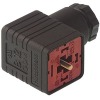
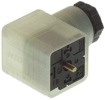
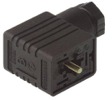
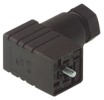
DIN 43650 Connector Characteristics: Form A vs. Form B vs. Form CCompare DIN 43650 solenoid valve connector forms by pin spacing, pin count, contact style, cable entry and base shape. Use the chart below to narrow your selection, then confirm the equipment drawing before ordering. Important compatibility check: A connector form name alone does not confirm fit. Match the pin spacing, number of contacts, pin style, and cable-entry thread to the valve or device specification. Quick Comparison of DIN 43650 Connector FormsStart with the physical interface. Form A is the largest of the three, Form B uses a rectangular base, and Form C provides the most compact square footprint. 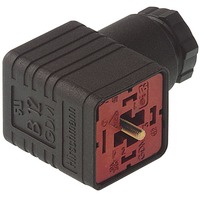
Form A18 mm Pin Spacing Base: Square Contacts: 2 + Ground or 3 + Ground Pin Type: U-Shape Cable Entry: M16, PG 9, PG 11 or 1/2" NPT Choose Form A when the equipment uses the larger square interface and 18 mm contact spacing. 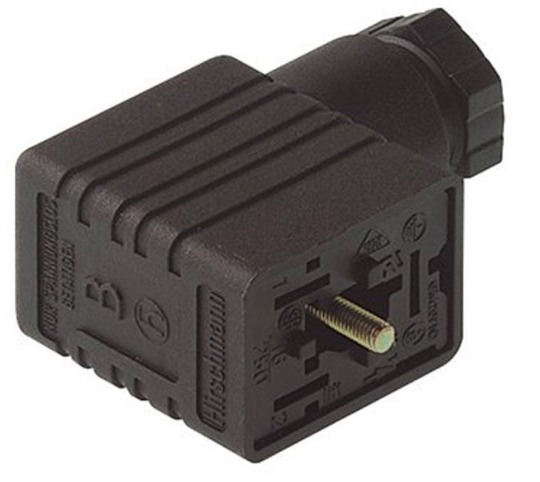
Form B10 mm or 11 mm Pin Spacing Base: Rectangle Contacts: 2 + Ground Pin Type: Flat blade at 11 mm; mixed flat blade/U-shape at 10 mm Cable Entry: PG 9 or 1/2" NPT Choose Form B when the valve has a rectangular interface. Confirm whether the contact spacing is 10 mm or the common 11 mm configuration. 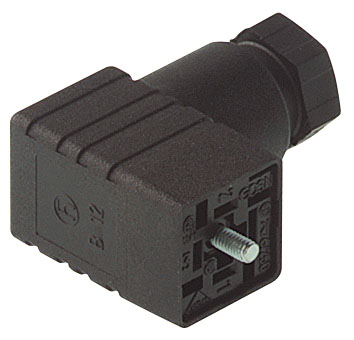
Form C8 mm or 9.4 mm Pin Spacing Base: Square Contacts: 2 + Ground or 3 + Ground Pin Type: Flat Blade Cable Entry: PG 7 Choose Form C for a compact square connection. Verify whether the device requires 8 mm or the common 9.4 mm spacing. How to Select the Correct DIN 43650 Connector
1
Measure the InterfaceCheck the center-to-center pin spacing and identify whether the valve connection is square or rectangular.
2
Match ContactsConfirm the pin count, ground position, blade or U-shaped contact style and center-screw orientation.
3
Verify Wiring RequirementsSelect a compatible cable-entry size and verify the connector's electrical rating, gasket and circuit options for the application. What Are DIN 43650 Connectors Used For?DIN 43650 connectors provide a removable electrical connection between field wiring and solenoid-operated industrial equipment. They are commonly installed on pneumatic and hydraulic valve coils where a secure connection, serviceable wiring and a compact device interface are required. Physical dimensions and contact arrangements differ, so the most reliable selection method is to compare the device drawing with the pin spacing, pin type, contact count and cable-entry information shown above. DIN 43650 Connector FAQAre DIN 43650 Form A, B and C connectors interchangeable?No. The forms use different footprints, pin spacing and contact arrangements. Match the connector to the exact valve or device interface. What is the easiest way to identify the connector form?Measure pin spacing first, then compare the base shape and pin style. Form A uses 18 mm spacing, Form B uses 10 or 11 mm, and Form C uses 8 or 9.4 mm. Does cable-entry size determine the connector form?No. Cable entry is one selection factor, but the valve interface must be identified first. After confirming the form, choose an available entry that fits the conduit or cable gland requirement. |